Lily Flower Embroidery Design: A Bright Touch for Craft Fair Goods
First Impressions: Cheerful, Elegant, and Nature-Inspired
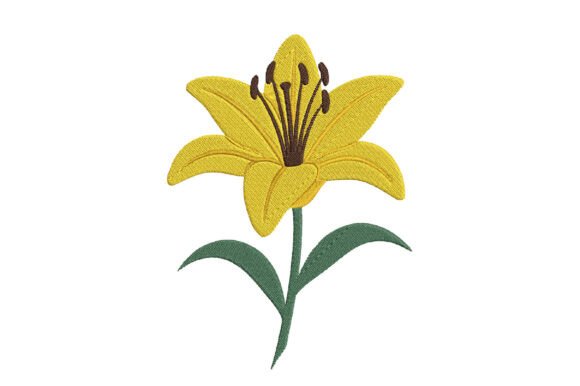
The Lily Flower Embroidery Design immediately stands out with its bright yellow lily and clean, detailed stitching. As a professional embroidery designer preparing for a weekend craft fair, this design gives off a soft, elegant, and slightly farmhouse vibe that appeals to a wide range of handmade buyers. It’s not overly bold or cartoonish, which makes it ideal for nature-inspired products that feel both decorative and premium.
How It Translates to Craft Fair Products
When planning a booth display, I always think about which designs will catch the eye from a few feet away and still look beautiful up close. The Lily Flower Embroidery Design works especially well on tote bags, aprons, and tea towels — items that are both functional and giftable. Its floral motif pairs nicely with kitchen linens and makes a lovely accent on embroidered patches and pillow covers.
For craft fair products like small fabric pouches or embroidered caps, this design could serve as a delicate focal point. On larger items like market bags or aprons, it can be repeated or paired with coordinating motifs to build a cohesive product line. For Etsy sellers or digital crafters, using this design in printable mockups adds instant visual appeal to online listings.
Visual Appeal and Booth Display Strength
One of the biggest challenges at a craft fair is standing out without overwhelming the customer. The Lily Flower Embroidery Design strikes a balance — it’s not too busy, but it’s detailed enough to show quality craftsmanship. When displayed on a mix of products like embroidered tea towels and tote bags, the yellow lily adds a cheerful pop of color and draws attention without being garish.
As a designer, I always consider how a design reads from a distance. This lily design works well as a medium-sized focal piece and still holds up when scaled down slightly for smaller items like patches or pouches. It photographs beautifully too, especially on light or neutral fabrics where the yellow petals really shine.
Production Practicality: Is It Craft Fair Ready?
From a production standpoint, this machine embroidery design appears to be well-constructed. It doesn’t seem overly dense in stitch count (though I always recommend testing), and the clean lines suggest it will stitch out clearly on a variety of fabrics. For small shop owners or Etsy sellers, that means it’s likely repeatable for batch production without frequent thread changes or tension issues.
However, there are a few points to watch for:
- Detailed petals may lose clarity on textured towels or thick canvas bags — test on similar fabric first.
- Stitch density might be an issue if used on curved surfaces like caps — check for distortion.
- Small inner details could be tricky on dark fabrics — consider thread contrast carefully.
Best Products for This Design
Based on years of craft fair experience and product testing, here are the best uses for the Lily Flower Embroidery Design:
- Embroidered Tote Bags – Centerpiece on cotton or linen tote bags for a handmade, boutique look.
- Apron Embroidery – Perfect for adding a soft touch to kitchen or gardening aprons.
- Tea Towel Embroidery – A single lily in the corner elevates a simple kitchen towel into a giftable item.
- Embroidered Patches – Ideal for sew-on or iron-on patches that can be resold or used on other handmade items.
- Pillow Covers – Works well centered on a pillow or as a corner accent with coordinating designs.
- Printable Mockups – Looks great in digital listings, especially when styled with natural backdrops and soft lighting.
Designer Notes: Test Before You Stitch
Before diving into full production, I always recommend a few key steps:
- Test the design on scrap fabric similar to your intended product (especially if using thick or textured material).
- Check thread contrast against your fabric — the yellow lily may need color adjustments on darker backgrounds.
- Review spacing and stitch density — especially if scaling the design up or down.
- Confirm hoop size compatibility with your embroidery machine.
- Use the right stabilizer — especially for caps or stretchy fabrics.
- Create at least one real mockup — this helps with photography and display planning.
- Compare fabric colors — the lily may look different on ivory vs. white vs. light gray.
- Verify commercial licensing before selling finished products — especially if you're an Etsy seller or boutique maker.
Final Thoughts: A Solid Choice for Handmade Sellers
Overall, the Lily Flower Embroidery Design is a strong contender for any small shop owner or craft fair seller looking to add a touch of elegance and nature to their handmade products. It’s versatile, visually appealing, and seems well-constructed for machine embroidery. Whether you're selling embroidered tea towels, patches, or aprons, this design brings a sense of quality and handmade charm that customers are drawn to.
Just remember to test it thoroughly, consider your fabric choices carefully, and use it in ways that highlight its best features. With a bit of planning, the Lily Flower Embroidery Design can become a staple in your craft fair lineup and a go-to digital embroidery file for seasonal and nature-themed product lines.