Minimalist Line Art Machine Embroidery Review
As a designer who has spent years navigating the fine line between digital perfection and physical thread, I approach every new machine embroidery design with a mix of curiosity and skepticism. The current trend in the craft world is undeniably shifting toward clean lines and modern aesthetics, which makes reviewing the Minimalist Line Art Machine Embroidery collection particularly timely. This specific set, featuring chic salon and barber icons, promises to elevate professional style for hair artists and grooming experts. But does it hold up under the scrutiny of real-world stitching? Let's dive into how this embroidery file performs when moved from the screen to the hoop.
The First Impression: Clean Lines Meets Professional Identity
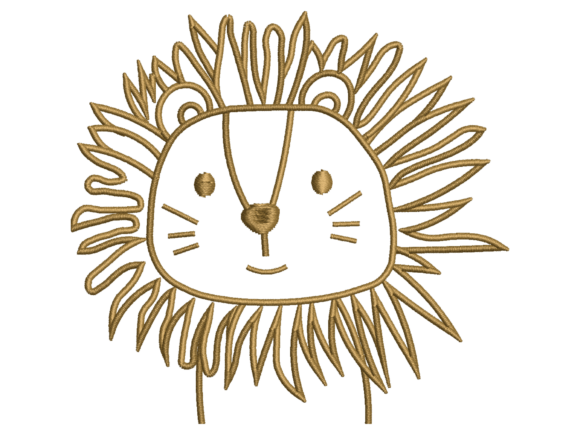
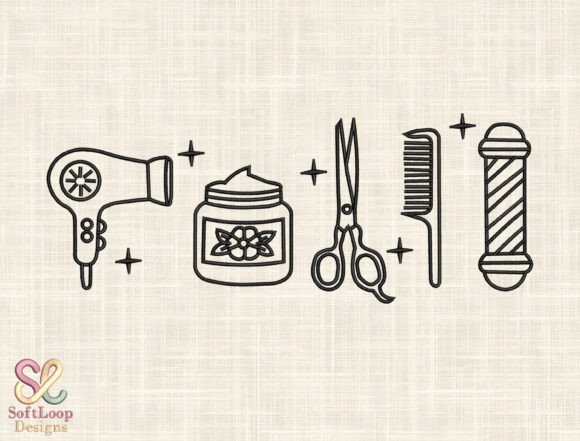
When I first opened the preview of these five classic tools of the trade, the visual personality was immediately striking. In a market often cluttered with overly dense fill stitch patterns or chaotic decorative accents, this design breathes. It relies on the elegance of negative space and precise outlines. For anyone running a craft business or managing an Etsy shop, the ability to offer a handmade product that looks as sophisticated as a printed logo is a significant advantage. The mood created here is one of understated confidence—perfect for branding a boutique salon or creating high-end merchandise for grooming professionals.
The layout is compact yet distinct. Each icon stands alone but feels cohesive within the set. As a reviewer, I appreciate that the design doesn't rely on tiny, intricate details that might get lost during stitching. Instead, it uses bold, continuous lines that translate well into running stitch or narrow satin stitch. This simplicity is not just an aesthetic choice; it is a practical one that reduces the risk of thread breaks and puckering, two common nightmares in commercial embroidery.
Testing the Waters: A Real-World Scenario
To truly understand the value of Minimalist Line Art Machine Embroidery, I imagined a specific project: creating a custom embroidered apron for a local barbershop owner. Aprons are a staple in the Work category, needing to be durable, stylish, and resistant to daily wear. I visualized placing one of the barber pole icons on the chest pocket area. Because the design is minimalist, it wouldn't overwhelm the fabric texture of a heavy-duty canvas or twill apron.
In this scenario, the stitch density becomes a critical factor. Since the design is line-based, the density is naturally lower than a full-color patch. This means the finished product would remain flexible and comfortable against the skin, rather than feeling like a stiff badge. If I were selling these as a small shop product, customers would likely react positively to the tactile quality. They could feel the thread without the bulk, making it a premium personalized gift option. The clean lines also ensure that the design remains legible even from a distance, which is essential for branding items worn by staff members.
Applicability Across Different Fabrics and Projects
Beyond aprons, this digital embroidery file offers versatility across various substrates. Here is how I see it performing in different contexts:
- Custom Apparel: On a heavyweight sweatshirt, the contrast of white or metallic thread against dark fabric would make these icons pop. The lack of complex shading ensures the design stays crisp even on textured fleece.
- Tote Bags: For a tote bag design, the minimalism allows the natural weave of the cotton canvas to show through, adding an artisanal touch that mass-produced prints cannot replicate.
- Embroidered Patches: These designs are ideal for creating iron-on patches. The simple geometry holds its shape well during the cutting process, resulting in a professional finished product that can be applied to denim jackets or backpacks.
- Home Decor: Imagine these icons stitched onto a linen pillow cover or a kitchen towel for a groomer's home office. The holiday embroidery angle works well here too, perhaps as a themed gift set for the holidays.
However, versatility comes with caveats. While the design is robust, it requires careful placement. On stretchy fabrics like jersey knit, the tension of the machine embroidery design could cause distortion if not stabilized correctly. Similarly, on very thin materials, the back of the stitching might show through unless a tear-away stabilizer is used meticulously.
Navigating Challenges: Where Caution Is Needed
Even the most elegant designs have limitations. When working with Minimalist Line Art Machine Embroidery, I advise caution with curved surfaces like caps. While the linear nature helps, tight curves can sometimes result in jagged edges if the machine settings aren't dialed in perfectly. Additionally, if you are attempting to use this on a small hoop size, ensure the icons do not become too tiny. The charm of this design lies in its clarity; shrinking it too much risks losing the definition of the tools, turning them into blurry blobs of thread.
Fabric texture is another variable. On highly textured fabrics like terry cloth or boucle, the flat lines of the design might sink into the weave, reducing visibility. In such cases, testing the design on scrap fabric first is non-negotiable. You need to verify that the thread colors provide enough contrast against the background. For instance, using black thread on a dark grey sweatshirt might render the design invisible, defeating the purpose of the branding.
Designer Notes: Maximizing Value and Quality
For my fellow designers and Etsy sellers, here are some practical notes to ensure your projects shine:
- Test Before Committing: Always run a test on a scrap piece of the actual fabric you plan to use. Check for puckering, especially around the corners of the tool icons.
- Stabilizer is Key: Even with low-density designs, a proper cutaway or tearaway stabilizer is essential to maintain the integrity of the lines, especially on knits or blends.
- Mockup Your Vision: Use printable mockups to visualize how the design looks on light versus dark backgrounds. This helps in selecting the right thread colors before you even thread the needle.
- Licensing Check: Before selling any finished product or offering this as a digital product, confirm the licensing terms. Ensure you are cleared for commercial use if you intend to sell the embroidered items.
- Focus on Placement: The simplicity of the design demands strategic placement. Center it where it will be seen best, avoiding areas prone to excessive stretching or friction.
Final Thoughts on Visual Appeal and Brand Consistency
Ultimately, Minimalist Line Art Machine Embroidery succeeds because it respects the medium. It understands that embroidery is about texture and thread, not just replicating a vector image. By keeping the lines clean and the shapes iconic, it enhances the perceived value of any item it adorns. Whether you are creating a baby embroidery item for a future stylist or a high-end custom apparel piece for a salon team, this design asset brings a level of professionalism that generic clip art simply cannot match.
For creative entrepreneurs looking to differentiate their brand, investing in high-quality design assets like this is a smart move. It builds customer trust through attention to detail and delivers a polished look that stands out in a crowded marketplace. The design doesn't just sit on the fabric; it elevates the entire garment, turning a simple piece of cloth into a statement of identity. If you are ready to take your embroidery project to the next level, this collection offers a reliable, stylish, and practical solution that bridges the gap between modern design trends and traditional craftsmanship.