Minimalist Scandinavian Embroidery
First Impressions: A Fresh, Versatile Design for Modern Brands
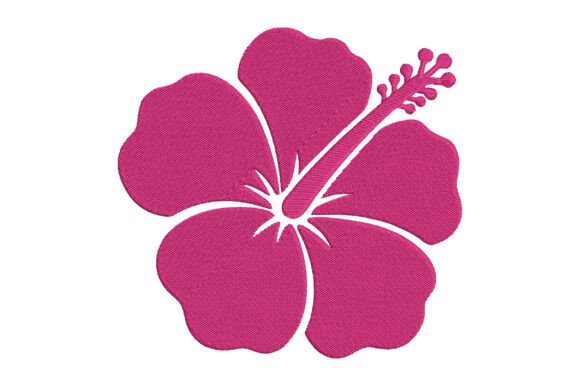
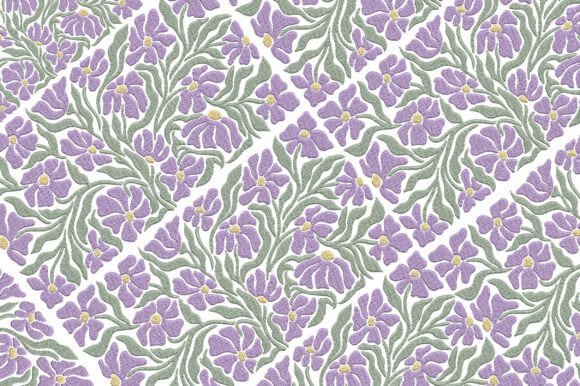
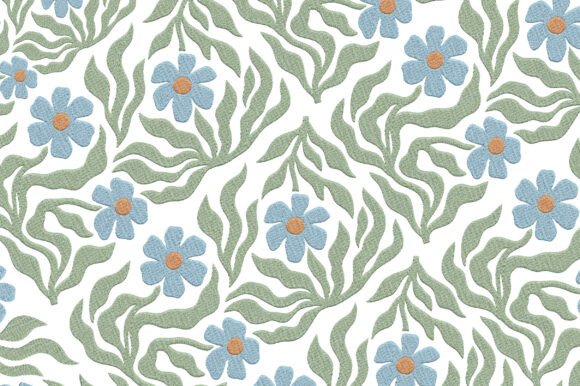
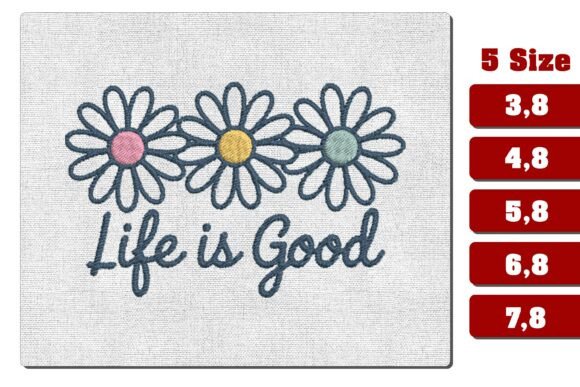
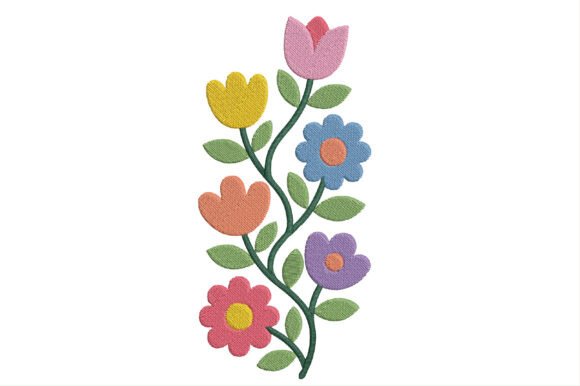
The Minimalist Scandinavian Embroidery immediately stands out with its clean, modern aesthetic. It feels professional yet approachable—perfect for small businesses aiming to communicate warmth, craftsmanship, and simplicity. The design’s Nordic inspiration is evident in the gentle curves and soft floral motifs, making it feel both timeless and on-trend.
As an embroidery designer evaluating this for commercial use, I see a design that balances subtlety and presence. It's not overly decorative, which helps it work well across a range of branded items—from patches to tote bags—without overwhelming the product.
Real Business Use: From Patches to Product Packaging
One of the strongest aspects of this machine embroidery design is its adaptability. Whether you're creating a branded patch for a boutique or a subtle logo accent on a staff uniform, this design integrates smoothly into professional settings. Here’s how it performs across different applications:
- Embroidered patches: The clean shapes and moderate stitch density make it ideal for sew-on or iron-on patches. It holds detail well without becoming too bulky.
- Staff uniforms & aprons: When stitched onto aprons or shirts, the design adds a touch of personality without looking out of place in a service environment like a café or bakery.
- Cap embroidery: On curved surfaces like caps, the simple floral motif adapts nicely, especially when resized thoughtfully.
- Tote bags & work shirts: It serves as a refined chest or sleeve accent that enhances the product without distracting from its function.
- Product packaging accents: For handmade brands or Etsy sellers, this design can be stitched onto small fabric tags or pouches to elevate packaging.
- Event merch & boutique items: It’s a great fit for limited-run merchandise or seasonal collections where a soft, elegant design is preferred.
Where to Use It Carefully
While Minimalist Scandinavian Embroidery is versatile, there are a few considerations to keep in mind:
- Small patch sizes: At very small dimensions, the floral details may become indistinct. Always test at the intended size before production.
- Cap fronts & curved surfaces: Though it works well, be mindful of distortion when hooping curved items.
- Dark or textured fabrics: The color contrast and clean lines may not pop as well on busy or dark backgrounds without thread adjustments.
- High stitch density: If the design has dense fill areas, test for stiffness and wash durability, especially for garments.
- Frequent washing: Consider using quality threads and appropriate stabilizers to maintain clarity over time.
Brand Identity and Customer Perception
This digital embroidery file does more than just decorate—it contributes to a cohesive brand identity. The minimalist Nordic style communicates a sense of quality, care, and creativity. For small businesses, especially in the handmade or artisanal space, it adds a premium touch that can elevate perceived product value.
When used consistently across small business merch—like tote bags, aprons, and custom apparel—it builds visual recognition. Customers begin to associate the soft floral motif with your brand, reinforcing trust and familiarity. It’s also a great choice for businesses that want to maintain a handmade presentation without looking amateur.
Design Notes for Embroidery Professionals
Before committing to production, here are key steps every embroidery designer should take:
- Test in black and white first: This helps identify clarity and contrast issues that may not be obvious in color simulations.
- Check small patch sizes: Resize the design and stitch a sample to ensure legibility and balance.
- Review thread color contrast: Make sure the colors pop on your chosen fabric, especially for light-on-light or dark-on-dark applications.
- Inspect spacing and outlines: Ensure the design doesn’t feel crowded or lose definition when scaled.
- Confirm hoop size: Match the embroidery file to your machine’s capabilities to avoid cropping or distortion.
- Test on real fabric: Always stitch a sample on the actual garment or material to evaluate texture and performance.
- Use proper stabilizer: Especially for stretchy or textured fabrics, the right stabilizer ensures clean, lasting results.
- Create a mockup for client approval: A printable mockup helps clients visualize the final product before stitching begins.
- Compare with other design assets: Make sure it aligns visually with your brand’s other logos, fonts, and graphics.
- Confirm commercial licensing: Always verify that the embroidery file is licensed for commercial use before producing for clients or resale.
Final Thoughts: A Smart Choice for Small Business Branding
Minimalist Scandinavian Embroidery is more than a decorative motif—it’s a strategic design asset. Its clean, elegant style works well across a wide range of custom apparel and handmade product applications. Whether used as a subtle chest logo or a statement patch, it enhances brand identity while maintaining a professional finish.
For small business owners, Etsy sellers, and embroidery professionals, this design offers flexibility, aesthetic appeal, and strong commercial potential—especially when paired with thoughtful execution and quality materials.